OUR BUSINESS
Dzivaguru Dynamics
Dzivaguru Dynamics is our hardware development business. We build grassroots robotics and drone prototypes—designed for local conditions, documented for repeatability, and driven by real-world research objectives.
If you want to collaborate on research, sponsor development, or explore partnerships, send us details and we’ll respond professionally.
What we offer
A focused set of capabilities designed to move hardware projects from concept to measurable prototypes—without sacrificing reliability or documentation.
Rapid prototyping of embedded systems and robotics with clear constraints, repeatable builds, and documented decisions.
Control systems, safety boundaries, and testing routines designed for real local operating conditions.
Practical perception pipelines that connect models to devices with measurable performance and defined limits.
Collaboration with schools, communities, and organizations to close local research gaps with disciplined execution.
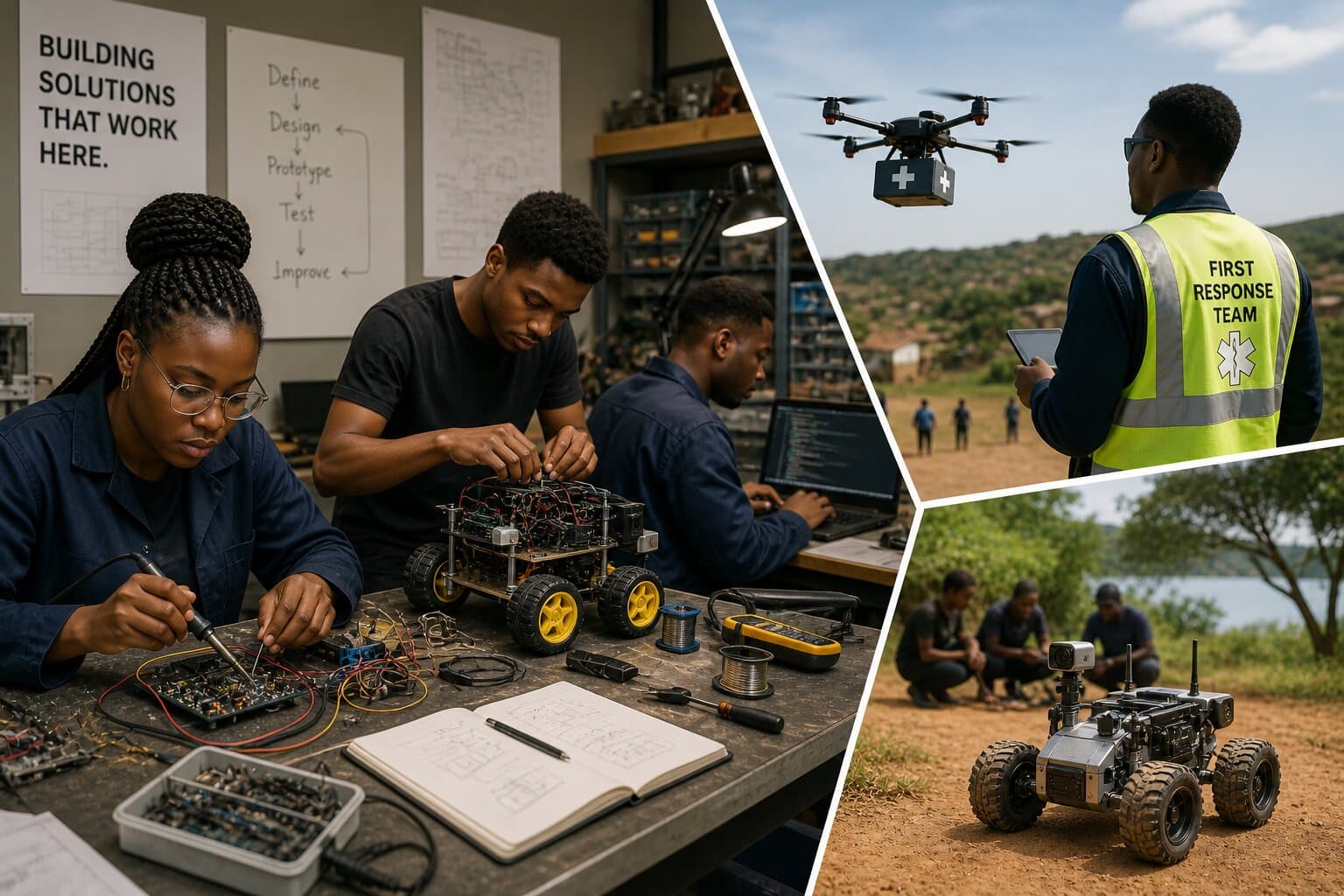
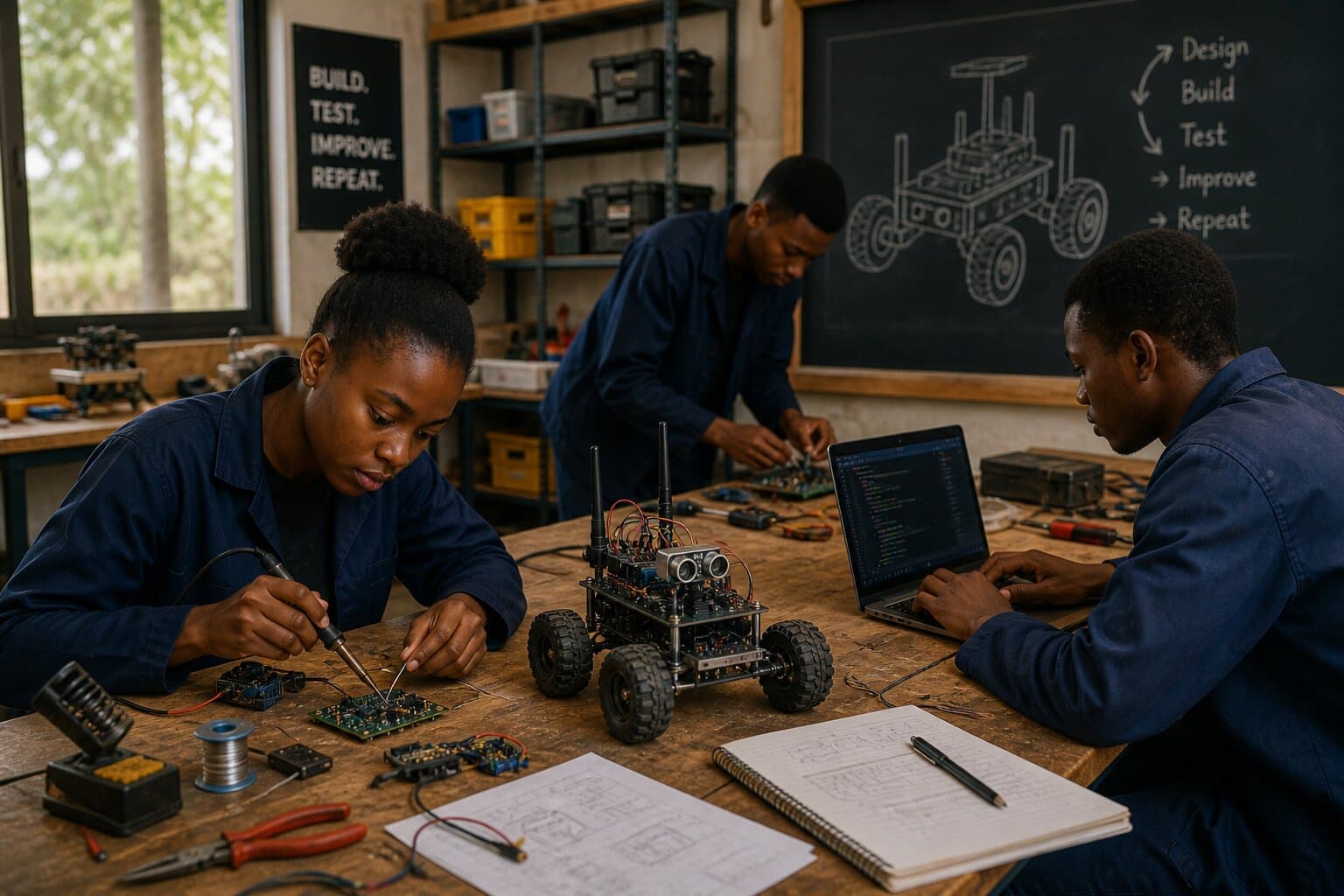
Grassroots robotics and prototyping
Dzivaguru Dynamics is our hardware development business focused on practical robotics and embedded systems. We prototype small robots and supporting electronics with a discipline that mirrors enterprise engineering: clear specifications, measurable outcomes, and documentation that makes the work repeatable. Our aim is to build capability locally—proving what is possible with thoughtful design, reliable components, and consistent iteration.
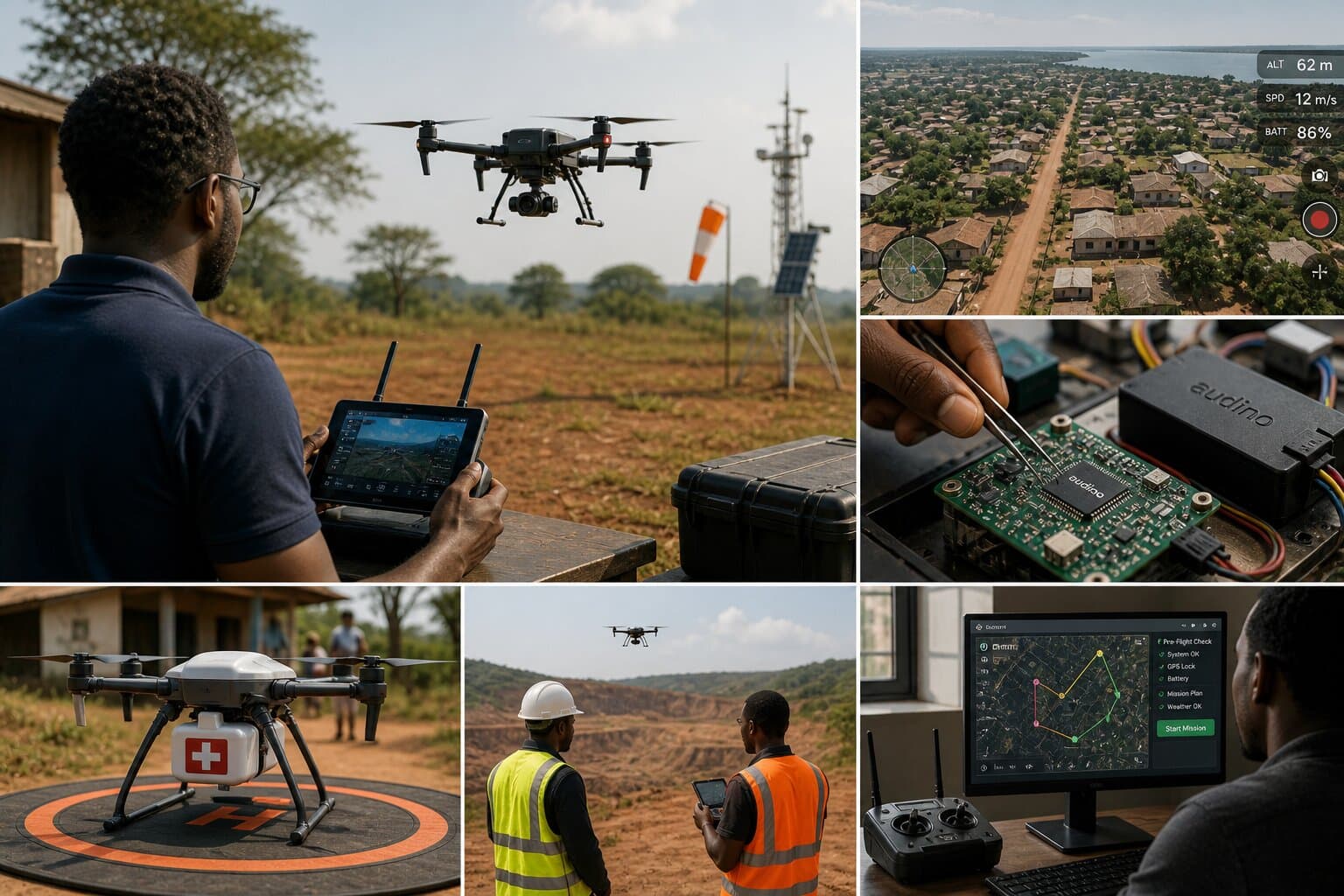
Audino-chip research and remote controlled drones
We are developing remote controlled drones for civilian use using Audino chips and related embedded platforms. This work is not just about flight; it includes reliable control systems, safe operating constraints, and grounded testing. We focus on building robust systems that can operate in local conditions—variable connectivity, dust, temperature, and limited access to specialized parts—without compromising safety or maintainability.
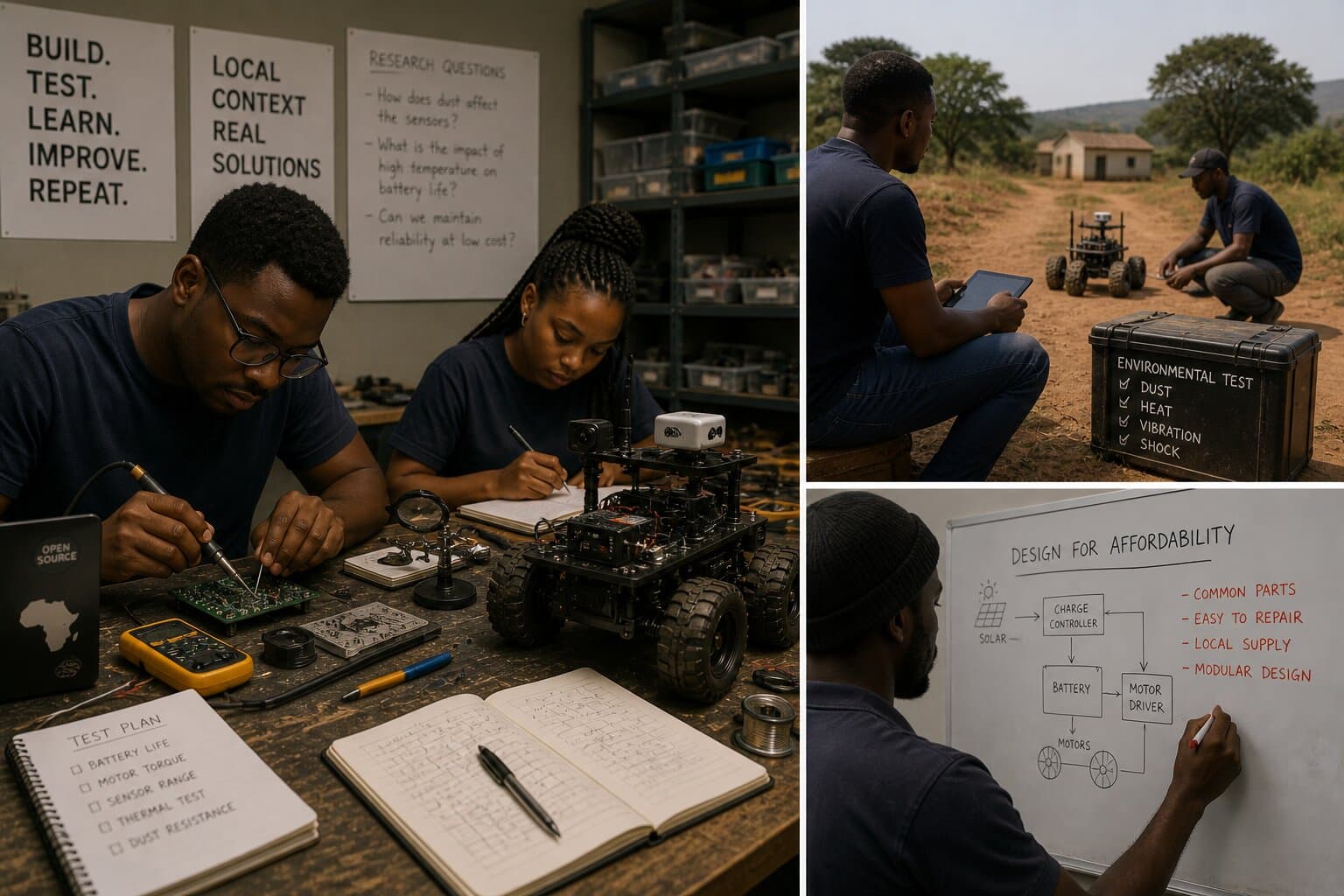
Closing local research gaps
Our research is designed to cover gaps that are often overlooked in mainstream research hubs: what works in local contexts, how systems fail under real conditions, and how to design for affordability without sacrificing reliability. We document experiments, build repeatable test routines, and develop prototypes that can evolve into products—supported by local supply chains and practical maintenance models.
Visual recognition systems for hardware
We also build visual recognition systems that connect software intelligence to physical devices. That includes camera pipelines, model selection, evaluation, and integration into embedded environments. We prioritize verifiable performance and clear constraints—so visual recognition becomes a dependable capability rather than a demo. This is crucial for robotics and drone projects that require real-time perception and safe decision making.